Carbon Tax and International Trade: Challenges and Opportunities in 2025
The past year has spotlighted how carbon taxes interact with global trade policies. Are they becoming leverage in international negotiations or barriers to market access? This topic explores recent developments and real-world negotiations where carbon taxes play a crucial role, uncovering how they might reshape global commerce standards.
Summary
The intersection of carbon taxes and international trade is becoming a pivotal point of discussion in global politics. As countries ramp up efforts to combat climate change, carbon taxes are increasingly being integrated into trade policies, influencing international negotiations and market dynamics. In 2025, these taxes are not just seen as environmental measures but as strategic tools that can either facilitate global cooperation or create trade barriers. This blog post delves into the recent developments and negotiations where carbon taxes have played a critical role, examining their potential to redefine global commerce standards. By understanding these dynamics, we can better grasp how carbon taxes might shape future trade agreements and economic relationships.
The Rise of Carbon Taxes in Global Trade Policies
1. Carbon taxes as a trade equalizer
Carbon taxes have emerged as a mechanism to level the playing field in international trade. By imposing a tax on carbon emissions, countries can mitigate the competitive advantage that comes from lax environmental regulations. This is particularly relevant in industries such as steel, cement, and chemicals, where production processes are carbon-intensive. For instance, the European Union's Carbon Border Adjustment Mechanism (CBAM) has been designed to prevent carbon leakage by taxing imports based on their carbon content, ensuring that foreign producers adhere to similar environmental standards as their European counterparts.
2. The role of carbon taxes in trade negotiations
Carbon taxes are increasingly being used as leverage in international trade negotiations. Countries with stringent carbon pricing can negotiate trade agreements that include environmental clauses, pushing trading partners to adopt similar measures. This trend is evident in the recent trade agreements between the EU and countries like Canada and Japan, where environmental standards have become a core component of the trade deals. These agreements often include commitments to reduce carbon footprints and invest in green technologies, aligning economic interests with environmental goals.
3. Impact on global supply chains
The adoption of carbon taxes is reshaping global supply chains. Companies are now more inclined to source materials and products from regions with robust carbon pricing to avoid additional taxes and align with corporate sustainability goals. This shift is prompting a reevaluation of supply chain strategies, encouraging businesses to invest in cleaner technologies and practices. For example, multinational corporations are increasingly requiring their suppliers to disclose carbon emissions and adopt carbon reduction targets as part of their procurement processes.
4. Challenges in harmonizing carbon taxes
While the rise of carbon taxes presents opportunities, it also poses significant challenges, especially in harmonizing tax rates and structures across different jurisdictions. Countries have varied economic structures and environmental policies, making it difficult to establish a uniform carbon tax framework. The lack of a standardized approach can lead to trade disputes and competitive imbalances. To address this, international bodies such as the World Trade Organization (WTO) and the United Nations Framework Convention on Climate Change (UNFCCC) are facilitating dialogues to promote cooperation and alignment in carbon pricing.
5. The economic implications of carbon taxes
The economic impact of carbon taxes is multifaceted. On one hand, they can drive innovation and efficiency, leading to the development of greener technologies and industries. On the other hand, there is a concern about the potential for increased costs for consumers and businesses, particularly in sectors heavily reliant on fossil fuels. However, studies have shown that the long-term benefits, including reduced environmental damage and health costs, can outweigh the short-term economic burdens. Countries like Sweden and Canada, which have implemented carbon taxes for several years, report positive outcomes in terms of emission reductions and economic growth.
6. Looking ahead: The future of carbon taxes in trade
As we look to the future, the role of carbon taxes in global trade is likely to expand. With increasing pressure from both consumers and investors for sustainable practices, more countries are expected to adopt carbon taxes. The ongoing global discussions on climate change and sustainability will likely lead to more coordinated efforts to integrate carbon pricing into trade policies, fostering a more sustainable and equitable global economy.
In summary, carbon taxes are not just an environmental policy tool but a critical component of global trade strategies. Their rise in global trade policies reflects a growing recognition of the need to align economic activities with environmental sustainability. As nations continue to grapple with the challenges and opportunities presented by carbon taxes, their role in shaping the future of international trade will undoubtedly remain significant.
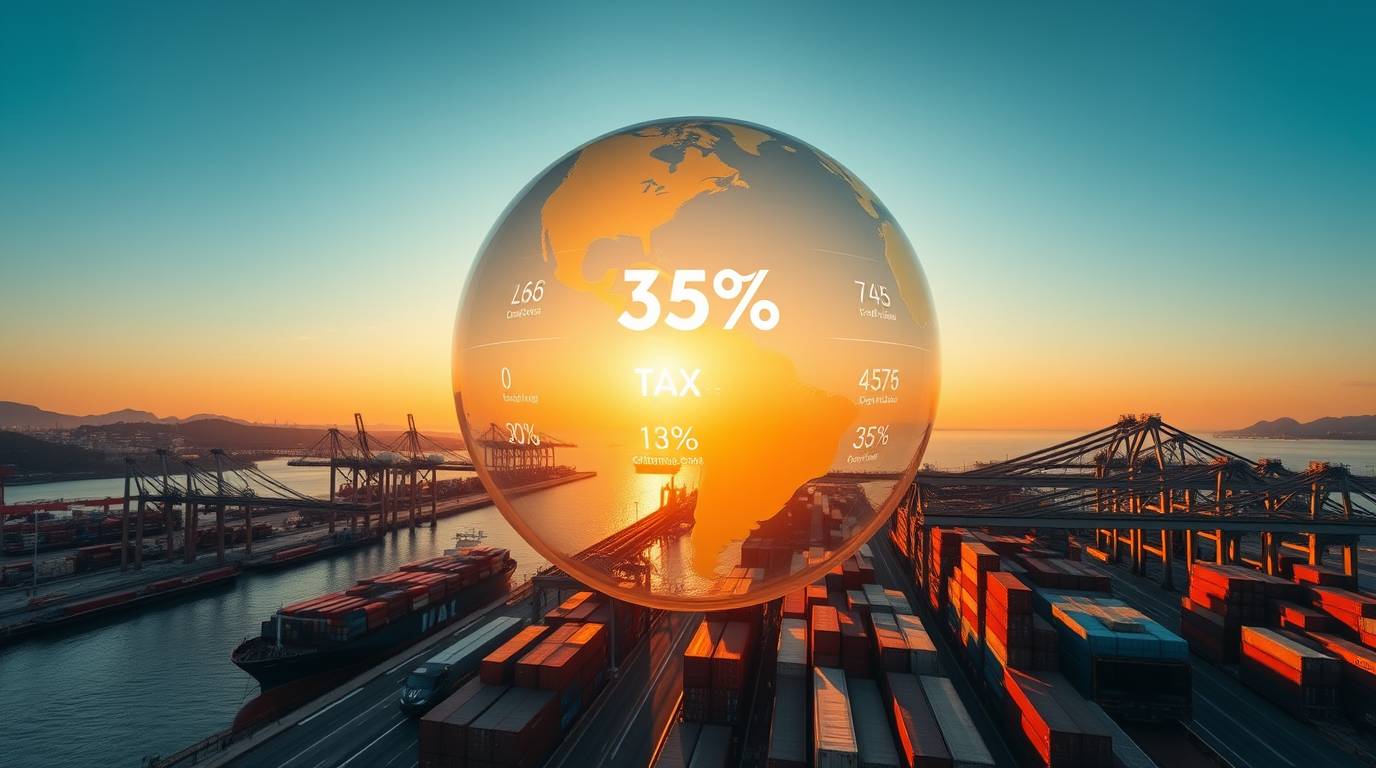
Carbon Taxes as Negotiation Tools in International Agreements
1. Carbon taxes as bargaining chips
Carbon taxes have become powerful bargaining chips in international agreements. Countries with stringent carbon pricing policies often use them to negotiate concessions or advantages in trade deals. For instance, the European Union's Carbon Border Adjustment Mechanism (CBAM), which came into effect in 2023, imposes tariffs on imports from countries with lower carbon pricing. This has prompted many trading partners to consider implementing their own carbon taxes to avoid these additional costs.2. Encouraging global cooperation
The use of carbon taxes in international negotiations also encourages global cooperation on climate change. By aligning carbon pricing policies, countries can work together to achieve global emissions reduction targets. This cooperation is evident in the recent Global Climate Accord, where signatories agreed to harmonize their carbon pricing mechanisms by 2030. This agreement aims to prevent trade disputes and ensure that countries are not unfairly penalized for their environmental policies.3. Real-world examples of carbon tax negotiations
Several recent trade deals highlight the role of carbon taxes in negotiations. The United States-Mexico-Canada Agreement (USMCA) includes provisions for carbon pricing collaboration, reflecting a shared commitment to reducing emissions. Similarly, the Comprehensive and Progressive Agreement for Trans-Pacific Partnership (CPTPP) has seen discussions on integrating carbon taxes to promote sustainable trade practices among member countries.4. Challenges and opportunities
While carbon taxes offer numerous benefits, they also present challenges. Developing countries, in particular, face difficulties in implementing carbon taxes due to limited resources and concerns about economic competitiveness. However, international agreements can provide support through financial aid and technology transfer, helping these countries adopt carbon pricing without compromising their economic growth.5. The role of international organizations
International organizations such as the World Trade Organization (WTO) and the United Nations Framework Convention on Climate Change (UNFCCC) play a crucial role in facilitating carbon tax negotiations. These organizations provide platforms for dialogue and help resolve disputes that may arise from differing carbon pricing policies. By fostering cooperation, they ensure that carbon taxes contribute to both environmental sustainability and fair trade.In conclusion, carbon taxes have become indispensable tools in international agreements, shaping the future of global trade and climate policy. As countries continue to negotiate trade deals, the integration of carbon taxes will be essential in promoting sustainable development and achieving global emissions targets. The strategic use of carbon taxes in negotiations not only addresses environmental concerns but also fosters collaboration and equity in international trade.
Case Studies: Carbon Tax Impact on Recent Trade Deals
One notable case is the European Union's Carbon Border Adjustment Mechanism (CBAM), which came into effect in 2023. This mechanism imposes a carbon tax on imports from countries with less stringent carbon pricing, aiming to level the playing field for EU industries subject to internal carbon taxes. The CBAM has already influenced trade negotiations with countries like the United States and China, prompting them to reconsider their own carbon pricing strategies to avoid trade disadvantages.
In North America, the United States-Mexico-Canada Agreement (USMCA) has seen amendments to accommodate carbon taxes. As the U.S. introduced a federal carbon tax in early 2024, it sparked discussions on how to integrate these costs into the existing trade framework. Mexico and Canada have been working on aligning their carbon pricing systems to minimize disruptions in trade, showcasing a collaborative approach to addressing carbon emissions across borders.
The Asia-Pacific region has also seen significant developments. Australia and Japan have both implemented carbon taxes, which have been factored into their bilateral trade agreements. Japan's commitment to achieving net-zero emissions by 2050 has driven it to negotiate trade terms that include carbon pricing considerations, influencing its trade relationships with neighboring countries.
These case studies illustrate the complex interplay between carbon taxes and international trade. They highlight the need for harmonized approaches to carbon pricing to prevent trade disputes and foster global cooperation in reducing emissions. As more countries adopt carbon taxes, the landscape of international trade will continue to evolve, presenting both challenges and opportunities for policymakers and businesses alike.
Challenges Faced by Developing Countries in Adopting Carbon Taxes
Another major hurdle is the financial and technical capacity required to effectively design, implement, and enforce a carbon tax system. Many developing countries lack the necessary infrastructure and expertise to monitor emissions accurately and ensure compliance. This is compounded by limited financial resources, which can make it challenging to invest in the technology and administrative systems needed to support a carbon tax framework.
Political and social factors also play a significant role. In many developing nations, there is resistance to carbon taxes from both the public and influential industries. Citizens may view these taxes as an additional financial burden, particularly in countries where a significant portion of the population lives below the poverty line. Industries, on the other hand, may fear that such taxes could increase production costs and make them less competitive internationally. This often leads to political pushback and can slow down or halt the implementation process.
On the flip side, there are opportunities for developing countries to leverage international support to overcome these challenges. Organizations like the World Bank and the United Nations have been actively working to provide financial assistance and technical expertise to help these countries build the necessary infrastructure for carbon tax systems. Moreover, international carbon markets and partnerships can offer developing nations a platform to trade carbon credits, thus generating revenue that can be reinvested in sustainable development projects.
In summary, while the road to adopting carbon taxes is fraught with challenges for developing countries, there are pathways to success that involve international cooperation and innovative policy frameworks. By addressing these challenges head-on, developing countries can not only contribute to global emission reduction goals but also pave the way for sustainable economic growth.
Innovative Approaches to Harmonizing Carbon Taxes Globally
One promising approach to harmonizing carbon taxes is the development of a standardized carbon pricing mechanism. The International Monetary Fund (IMF) and the World Bank have been advocating for a global carbon price floor, which would set a minimum price on carbon emissions that all participating countries must adhere to. This initiative aims to prevent countries from undercutting each other by setting lower carbon prices, thus maintaining fairness in international markets.
Regional collaborations have also emerged as a powerful tool for harmonization. The European Union (EU) has been leading the charge with its Carbon Border Adjustment Mechanism (CBAM), which imposes tariffs on imported goods from countries with lower carbon pricing. This approach not only incentivizes trading partners to adopt similar carbon taxes but also encourages regional blocs to form their own carbon pricing systems that align with the EU's standards.
Technology has played a pivotal role in facilitating the harmonization of carbon taxes. Blockchain technology, for instance, is being explored for its potential to track carbon emissions and ensure transparency in carbon trading. By providing a secure and immutable record of emissions, blockchain can help countries verify compliance with international carbon pricing agreements and build trust among trading partners.
Finally, public-private partnerships are becoming increasingly important in the push for global carbon tax harmonization. Major corporations, recognizing the risks of climate change to their supply chains, are collaborating with governments to develop consistent carbon pricing policies. These partnerships not only drive innovation in carbon reduction strategies but also help align corporate and national interests in achieving global climate goals.
As the world continues to grapple with the challenges of climate change, the harmonization of carbon taxes stands out as a key strategy in fostering international cooperation and ensuring a sustainable future. By embracing innovative approaches and leveraging technology, countries can work together to create a more equitable and effective global carbon pricing system.
Potential Economic Impacts of Carbon Taxes on Global Trade
One significant impact of carbon taxes on global trade is the shift in competitive dynamics. Industries in countries with stringent carbon taxes may face higher production costs, potentially making their goods less competitive internationally. This has been particularly evident in energy-intensive sectors such as steel and cement, where production costs have risen. However, this also encourages innovation and efficiency improvements, as companies strive to reduce their carbon footprint and maintain competitiveness.
Moreover, carbon taxes have prompted a reevaluation of supply chains. Companies are increasingly considering the carbon intensity of their supply chains, seeking to source materials and components from regions with lower carbon footprints. This trend is fostering a market for low-carbon goods and services, creating new opportunities for businesses that can adapt to these demands.
On the flip side, carbon taxes can also lead to trade tensions. Countries with less stringent or no carbon taxes might view these measures as protectionist trade barriers. This has spurred discussions within international trade organizations about creating a level playing field, where carbon border adjustments are considered to prevent carbon leakage and ensure fair competition.
Lastly, the revenue generated from carbon taxes offers economic opportunities. Governments can reinvest these funds into green technologies, infrastructure, and subsidies for affected industries, potentially offsetting some of the negative economic impacts. This reinvestment can stimulate economic growth and job creation in emerging green sectors, fostering a more sustainable economic model.
As carbon taxes continue to shape global trade, their economic impacts will likely evolve, presenting both challenges and opportunities for businesses and policymakers alike.
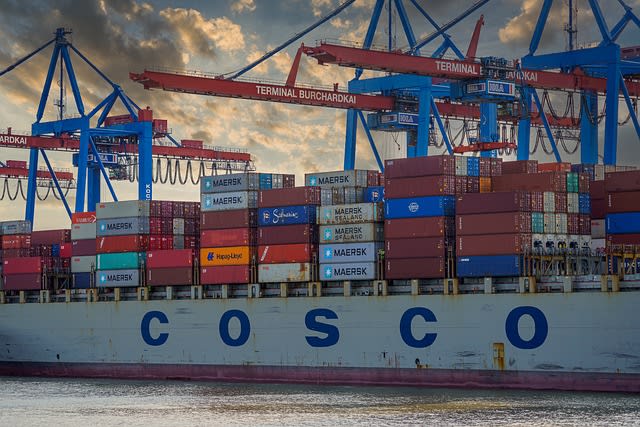
The Future of Carbon Taxes: Predictions for 2025 and Beyond
The integration of carbon taxes into international trade agreements is another significant development. The Carbon Border Adjustment Mechanism (CBAM) implemented by the EU has set a precedent, aiming to prevent carbon leakage and ensure that imported goods are subject to the same carbon costs as those produced within the EU. This approach is gaining traction, with countries like Canada and Japan considering similar mechanisms. These measures are expected to become more prevalent as countries seek to level the playing field and protect domestic industries from unfair competition.
Technological advancements are also playing a pivotal role in shaping the future of carbon taxes. Innovations in carbon capture and storage (CCS) and the development of cleaner energy sources are expected to reduce the overall cost of carbon mitigation. As these technologies become more widespread and cost-effective, they could influence the pricing and structure of carbon taxes, making them more palatable to industries and consumers alike.
Moreover, the role of carbon taxes in fostering global cooperation cannot be overstated. As countries face the shared challenge of climate change, carbon taxes offer a tangible way to align economic incentives with environmental goals. Collaborative efforts, such as the recent G20 summit discussions on harmonizing carbon pricing, highlight the potential for carbon taxes to serve as a unifying force in international climate policy.
Looking ahead, the future of carbon taxes seems promising, with potential for significant economic and environmental benefits. As more countries adopt and refine their carbon tax systems, the global economy could see a shift towards more sustainable practices, reduced emissions, and a more equitable distribution of climate responsibilities.
Comments
Post a Comment