How the Green New Deal is Reinventing Urban Transportation in Major Cities
Forget the rusty old buses; urban transport is getting a green upgrade! Thanks to Green New Deal-inspired policies, rapid transit systems are going electric and cycling infrastructure is booming. Find out which cities are leading this transportation revolution and what could be next for commuters everywhere.
Summary
Urban transportation is undergoing a significant transformation, driven by Green New Deal-inspired policies aimed at reducing carbon emissions and promoting sustainable mobility. Major cities are leading this shift by electrifying public transit systems and expanding cycling infrastructure, offering commuters cleaner and more efficient travel options. This movement not only addresses environmental concerns but also enhances urban livability and accessibility.
Electrification of Public Transit: Cities Leading the Charge
Shenzhen's Fully Electric Bus Fleet
Shenzhen, China, stands as a global leader in transit electrification. The city has successfully converted its entire fleet of approximately 16,000 buses to electric models. This monumental shift has led to a significant reduction in carbon dioxide emissions and other pollutants, enhancing air quality and setting a precedent for other cities aiming for comprehensive electrification.
Los Angeles' Ambitious Electrification Goals
In the United States, Los Angeles has embarked on an ambitious journey to electrify its public transportation. The city's Green New Deal outlines plans to transition all city fleet vehicles to zero-emission models by 2028. Additionally, Los Angeles aims to install thousands of publicly available EV chargers, facilitating the adoption of electric vehicles among residents and supporting the broader goal of reducing greenhouse gas emissions.
Seattle's Innovative Electric Transit Solutions
Seattle is pioneering innovative solutions in electric public transit. The city is among the first in the U.S. to introduce double-decker electric buses equipped with wireless inductive charging technology. These buses are set to operate on the Stride bus rapid transit lines by 2027 or 2028, aligning with Washington State's mandates to significantly reduce greenhouse gas emissions by promoting zero- or low-emission transportation solutions.
Toronto's Commitment to Zero-Emission Buses
Toronto has made significant strides in electrifying its bus fleet. The Toronto Transit Commission (TTC) has set a goal to operate an emissions-free bus fleet by 2040. In April 2023, the federal government and the city announced a joint investment of $700 million to fund the electrification of the TTC's bus fleet. This funding will facilitate the purchase of 340 zero-emission buses and 248 bus chargers, as well as upgrade garage infrastructure at eight garages. The TTC plans to buy zero-emission buses exclusively by 2025 and to have the entire fleet converted to zero-emission vehicles by 2040.
Stockholm's Phased Electrification Plan
Stockholm is implementing a phased plan to electrify its bus fleet by 2035. The city began its transition in 2015 with the introduction of fully electric hybrid buses and has since launched Sweden's first fully electric Bus Rapid Transit (BRT) service. By 2026, Stockholm aims to have 50% of its bus fleet electrified, with incremental increases leading to full electrification by 2035. This strategic approach addresses challenges such as charging infrastructure and battery costs, ensuring a sustainable transition.
Challenges and Considerations in Transit Electrification
While the benefits of electrifying public transit are clear, cities face challenges in this transition. Issues such as the availability of electric buses that meet operational standards, the development of sufficient charging infrastructure, and managing battery costs are common. Additionally, external factors like supply chain delays can impact progress. However, the commitment of these leading cities demonstrates that, with strategic planning and investment, the electrification of public transit is an achievable and impactful goal.
By observing and learning from these pioneering cities, other urban centers can develop tailored strategies to electrify their public transit systems, contributing to global efforts to combat climate change and promote sustainable urban development.
Expansion of Cycling Infrastructure: Promoting Active Transportation
Federal Funding Boosts Cycling Initiatives
In the United States, the bipartisan infrastructure law has allocated substantial funding toward developing cycling infrastructure, with a particular focus on underserved communities. Programs like Reconnecting Communities and Safe Streets and Roads for All aim to reconnect neighborhoods and enhance road safety through equitable investments. These initiatives provide competitive grants that local communities, states, or metropolitan planning organizations can apply for, facilitating the expansion of bike-friendly infrastructure.
Urban Centers Lead the Way
Major cities have been at the forefront of this transformation. For instance, New York City has aggressively expanded its protected bike lanes, reaching a network of 644 miles by 2022. This investment has led to a 94% increase in daily cycling and micromobility trips between 2012 and 2022, while the risk of serious injuries for cyclists has declined. Similarly, Chicago has experienced a 119% increase in biking between fall 2019 and spring 2023, marking the largest growth among the country's ten largest cities. This surge is attributed to the city's focus on low-stress cycling routes and active community engagement.
Global Examples of Cycling Infrastructure Expansion
Internationally, cities are also making notable progress. Paris has seen a doubling of bicycle lane usage between 2022 and 2023 during peak hours, thanks to expanded bike lanes and the Vélib’ Métropole bike-sharing program. Bogotá, Colombia, has developed one of the world's most extensive protected cycle lane networks, totaling over 540 kilometers, with approximately 7% of trips now made by bicycle. Glasgow, Scotland, aims to expand its cycle network to 400 kilometers by 2025, enhancing accessibility and safety for cyclists.
Innovative Approaches to Encourage Cycling
Cities are adopting innovative measures to promote cycling among all age groups. The "bike bus" initiative involves groups of children cycling together on a set route, supervised for safety, encouraging active transportation from a young age. Additionally, "school street" schemes temporarily close streets to motor vehicles outside schools during key times, creating a safe environment for children to engage in active travel.
Challenges and Future Prospects
Despite these advancements, challenges remain. Ensuring the safety of cyclists through protected lanes and improved intersection designs is crucial. Moreover, integrating cycling infrastructure with public transport hubs and addressing the needs of diverse communities require ongoing attention. As cities continue to invest in cycling infrastructure, the focus will be on creating cohesive, safe, and accessible networks that encourage more people to choose cycling as a primary mode of transportation.
By prioritizing the expansion of cycling infrastructure, cities are not only promoting healthier lifestyles but also contributing to environmental sustainability and more livable urban spaces.
Policy Initiatives Driving Sustainable Urban Mobility
One significant approach has been the reallocation of transportation funding to support environmentally friendly projects. For instance, in response to federal funding cuts for bike lanes, states like California, Illinois, Maryland, Michigan, Minnesota, New York, and Pennsylvania formed the Clean Rides Network. This coalition advocates for green transportation initiatives, including transit expansion and bicycle infrastructure development. Inspired by Colorado's policy to offset environmental impacts from large-scale projects, Maryland has advanced similar measures, while Illinois and Massachusetts are considering comparable policies despite facing some resistance.
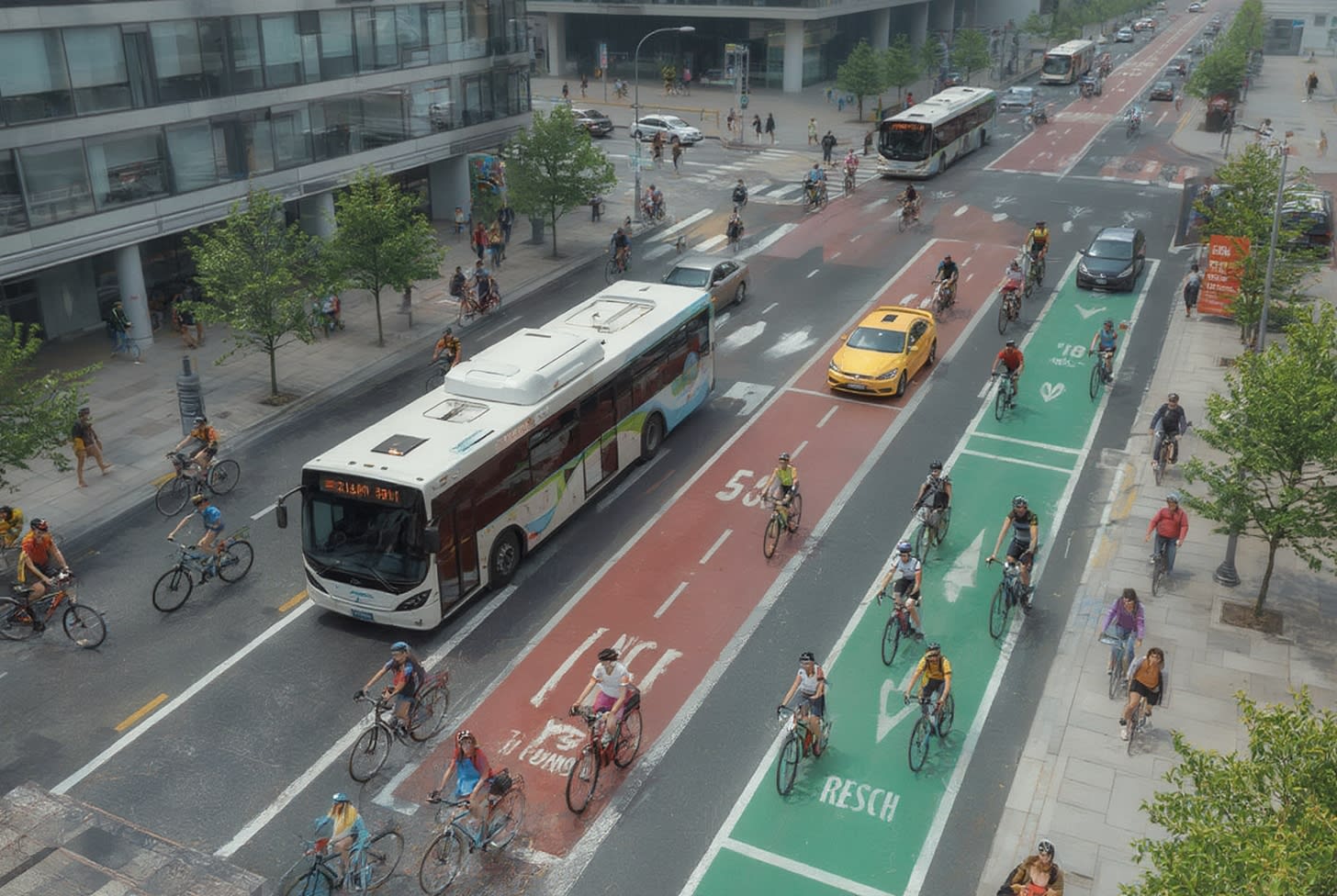
Cities are also investing heavily in cycling infrastructure to encourage active transportation. New Orleans, for example, is utilizing nearly $50 million in federal funding to expand its bike network and introduce an e-bike rebate program. This initiative aims to reduce greenhouse gas emissions and promote healthier commuting options. Similarly, Los Angeles has committed to increasing the percentage of trips made by walking, biking, and micro-mobility to at least 35% by 2025 and 50% by 2035 as part of its Green New Deal.
Electrification of public transit systems is another key policy focus. Seattle has set ambitious goals to electrify its municipal fleet and achieve 30% adoption of electric vehicles among residents by 2040. King County Metro, which operates the regional transit system, plans to electrify its entire fleet of over 1,400 buses by 2030. These efforts are supported by investments in charging infrastructure and incentives for electric vehicle adoption.
To further promote sustainable transportation, some cities are exploring fare-free public transit. Boston, under Mayor Michelle Wu's leadership, has implemented pilot programs offering fare-free bus services on select routes, particularly in lower-income areas. This initiative aims to increase transit ridership, reduce traffic congestion, and lower emissions.
Additionally, cities are rethinking urban design to prioritize sustainable mobility. Denver's Mobility Action Plan, initiated in 2017, focuses on creating more transportation options, including increasing the percentage of bike and pedestrian commuters and reducing single-occupant vehicle usage. The plan aims to address traffic congestion and promote healthier, more sustainable commuting habits.
These policy initiatives reflect a growing commitment among urban centers to embrace sustainable transportation solutions. By reallocating funding, investing in infrastructure, and implementing innovative programs, cities are taking proactive steps to create more livable, environmentally friendly urban environments.
Community Engagement and Public Support for Green Transportation
Nashville's "Choose How You Move" Initiative
In November 2024, Nashville residents voted overwhelmingly in favor of the "Choose How You Move" referendum, approving a 0.5% sales tax increase to fund a $3.1 billion transportation improvement program. This plan aims to enhance sidewalks, upgrade traffic signals, and expand bus services. The success of this initiative underscores the importance of transparent communication and community involvement in gaining public support for substantial transportation projects.
Boulder's Commitment to Sustainable Transportation
Boulder, Colorado, has demonstrated a strong commitment to sustainable transportation through various community-focused projects. In 2024, the city secured over $4.2 million in funding for transportation improvements, including the purchase of a battery-electric bus and enhancements to traffic signals. Additionally, Boulder promoted active transportation by supporting shared e-bike and e-scooter programs, resulting in over 1 million micromobility rides. These efforts reflect the city's dedication to providing diverse and sustainable transportation options that align with community needs.
New York's Clean Mobility Program
In March 2025, the New York State Energy Research and Development Authority (NYSERDA) awarded $2.9 million to 29 community-led projects aimed at advancing shared electric transportation solutions. These feasibility studies focus on launching or expanding zero-emission mobility services, such as e-bikes, e-scooters, and electric vehicle ride-sharing, to address local transportation needs and reduce emissions. This initiative highlights the state's commitment to supporting community-driven approaches to sustainable transportation.
Bay Area's Inclusive Planning for Future Transportation
The Bay Area's "Plan Bay Area 2050+" engagement process exemplifies the value of inclusive planning. Between July and September 2024, nearly 13,800 residents participated in workshops, surveys, and discussions to shape the region's long-term transportation strategies. This extensive public engagement ensures that the transportation plan reflects the diverse needs and priorities of the community, fostering a sense of ownership and support for future initiatives.
Pittsburgh's Climate Action Plan
Pittsburgh Regional Transit (PRT) released its first Climate Action Plan in April 2024, outlining a roadmap to a zero-emissions future. The plan emphasizes sustainable measures, such as reducing car trips, supporting smart regional growth, and fostering transit-oriented development. PRT's commitment to sustainability demonstrates how public transit agencies can lead by example in promoting green transportation solutions.
Effective Public Engagement Strategies
Modern public engagement strategies blend traditional and digital methods to reach a broader audience. For instance, the San Mateo Local Roadway Safety Plan utilized both in-person events and online platforms to gather community input, resulting in over 700 comments. This hybrid approach ensures that diverse voices are heard and considered in transportation planning.
Conclusion
The success of green transportation initiatives heavily relies on active community engagement and public support. By involving residents in the planning process, addressing their concerns, and transparently communicating the benefits of sustainable transportation, cities can foster a collaborative environment that drives the transition toward greener urban mobility.
Challenges and Solutions in Implementing Green Transit Systems
Financial Constraints
Transitioning to sustainable transportation often demands significant upfront investments. For instance, the Chicago Transit Authority (CTA) faced substantial costs when integrating electric buses into their fleet, with each bus priced around $1.1 million—approximately $500,000 more than a traditional diesel bus.
Despite these initial expenses, the CTA anticipates long-term savings due to lower operating and maintenance costs associated with electric vehicles. To alleviate financial burdens, cities can explore public-private partnerships, seek federal grants, and implement phased rollouts to distribute costs over time.
Technological and Infrastructure Limitations
The effectiveness of green transit systems is closely tied to technological advancements and infrastructure readiness. In Chicago, cold weather significantly reduces the battery range of electric buses, necessitating the installation of fast-charging stations at both ends of routes to maintain service reliability.
Additionally, the current infrastructure for electric vehicle (EV) charging is often insufficient to meet growing demand, particularly in rural or underserved areas.
To address these issues, cities can invest in research and development to enhance battery performance, expand charging networks, and integrate renewable energy sources to power transit systems sustainably.
Policy and Regulatory Hurdles
Effective policy frameworks are essential for the successful implementation of green transit initiatives. However, fragmented governance and conflicting policies can impede progress. For example, land-use plans and urban transportation strategies may clash, creating ineffective systems.
To overcome these obstacles, cities should establish clear, cohesive policies that align with sustainability goals, streamline regulatory processes, and foster collaboration among various governmental agencies.
Community Engagement and Public Support
Public acceptance is crucial for the success of green transit projects. In Bogotá, Colombia, the implementation of the TransMilenio Bus Rapid Transit (BRT) system involved extensive public outreach to educate residents about the benefits of the new system and to address concerns about its impact.
Engaging communities through transparent communication, soliciting feedback, and demonstrating tangible benefits can build trust and encourage widespread adoption of sustainable transportation options.
Urban Planning and Design Challenges
Integrating green transit systems into existing urban landscapes requires thoughtful planning. Zurich, Switzerland, has successfully designed and implemented a stellar public transport system and excellent urban planning, allowing people to commute with ease.
To replicate such success, cities should prioritize mixed-use development, create pedestrian-friendly zones, and ensure seamless connectivity between different modes of transportation.
By addressing these challenges through strategic planning, technological innovation, supportive policies, and active community engagement, cities can pave the way for sustainable and efficient transit systems that benefit both the environment and urban populations.
Future Prospects: What's Next for Urban Transportation?
Autonomous Vehicles and Robotaxis
The deployment of autonomous vehicles (AVs) is accelerating. Companies like Waymo have successfully completed millions of driverless trips, demonstrating the viability of AVs in urban settings.
In Atlanta, Uber and Waymo are set to introduce driverless cars in 2025, expanding autonomous ride-hailing services and potentially reshaping urban transportation dynamics.
Integration of Artificial Intelligence in Traffic Management
Artificial intelligence (AI) is revolutionizing traffic management by optimizing flow and reducing congestion. Cities are implementing AI-powered systems to analyze real-time data, adjust traffic signals, and predict congestion patterns. For instance, New Orleans launched an AI-driven traffic safety program to enhance flow and reduce collision risks.
Expansion of Micromobility Solutions
Micromobility options, such as e-scooters and e-bikes, are becoming integral to urban transportation. Over 420 American cities have incorporated shared micromobility into their systems, leading to a record-breaking 172 million rides in North America in 2023.
Cities are investing in dedicated lanes and integrating these options with public transit to offer seamless, eco-friendly alternatives for short trips.
Adoption of Mobility-as-a-Service (MaaS)
Mobility-as-a-Service platforms are gaining traction, offering commuters the ability to plan, book, and pay for multiple transport options through a single app. This integration simplifies travel and encourages the use of public transit and shared mobility services. Cities like Mexico City and Singapore are expanding unified fare collection systems to support this seamless experience.
Implementation of Congestion Pricing
To combat urban congestion, cities are adopting congestion pricing models. New York City, for example, has implemented downtown tolling for single-occupancy vehicles and ride-hailing services. Early data indicates an increase in transit ridership and a significant reduction in peak weekday traffic, suggesting that such measures can effectively manage congestion and promote public transit use.
Electrification of Public Transit
The shift towards electric buses is gaining momentum, with transit agencies recognizing their efficiency and environmental benefits. Electric buses require less maintenance and offer significant savings over their lifespan compared to diesel counterparts.
This transition aligns with broader efforts to reduce urban emissions and promote sustainable transportation.
Policy Initiatives and Community Engagement
Cities are actively engaging communities to support green transportation initiatives. For example, Nashville's "Choose How You Move" referendum, passed in November 2024, approved a sales tax increase to fund a $3.1 billion transportation improvement program. This plan includes new sidewalks, smart traffic signals, and expanded bus services, reflecting a commitment to sustainable urban mobility.
Challenges and Solutions in Implementing Green Transit Systems
Implementing green transit systems presents challenges, including funding constraints and technological hurdles. However, innovative solutions like public-private partnerships and leveraging AI for predictive maintenance are helping overcome these obstacles. For instance, AI maintenance tools have reduced labor hours by up to 50% in pilot programs, enhancing efficiency and service quality.
Future Prospects: What's Next for Urban Transportation?
Looking ahead, urban transportation is poised for further innovation. The integration of AI and IoT will continue to enhance traffic management and safety. The expansion of MaaS platforms will offer more personalized and efficient travel options. Additionally, the development of urban air mobility solutions, such as electric vertical takeoff and landing (eVTOL) aircraft, holds the potential to alleviate ground congestion and redefine urban mobility.
In summary, the future of urban transportation is characterized by technological integration, sustainable practices, and community-focused initiatives. These developments promise to create more efficient, accessible, and environmentally friendly urban mobility systems.
Comments
Post a Comment