The Impact of Fiscal Policy on Renewable Energy Investment in 2025
As climate change concerns surge, fiscal policies are fueling investments in renewable energy. Learn about the incentives that governments are using to promote cleaner energy sources and reduce carbon footprints. This post outlines how fiscal policy is crucial in driving the quest for sustainable energy solutions.
Summary
In 2025, fiscal policies are playing a pivotal role in shaping renewable energy investments. Governments worldwide are leveraging tax incentives, subsidies, and regulatory frameworks to promote cleaner energy sources and reduce carbon footprints. However, recent legislative changes, such as the proposed One Big Beautiful Bill Act in the U.S., aim to scale back many clean-energy tax credits established by the Inflation Reduction Act, potentially impacting the growth trajectory of renewable energy projects. ([en.wikipedia.org](https://en.wikipedia.org/wiki/One_Big_Beautiful_Bill_Act?utm_source=openai)) Despite these shifts, long-term investors remain optimistic about the renewable energy sector, citing strong fundamentals and increasing energy demands. ([ft.com](https://www.ft.com/content/f8fd3b11-9d44-411a-9734-bcaaa52ee1ad?utm_source=openai))
Recent Legislative Changes and Their Impact on Renewable Energy Investments
1. The "One Big Beautiful Bill Act" and Its Implications
In May 2025, the House passed President Donald Trump's "One Big Beautiful Bill Act," a sweeping tax and spending bill that has raised eyebrows across the renewable energy community. One of the most contentious aspects is the proposed elimination of the 45X tax credit. This credit, established under the 2022 Inflation Reduction Act (IRA), offered a 10% corporate tax reduction for domestic extraction and processing of critical minerals like nickel and rare earths—materials essential for green technologies. Industry leaders argue that removing this incentive could undermine U.S. competitiveness, especially against countries like China, which currently dominate the critical minerals market.2. Accelerated Expiration of Clean Energy Tax Credits
Another significant change introduced by the new tax bill is the acceleration of the expiration dates for key clean energy tax credits. Projects now need to commence construction within 60 days of the bill's enactment and be completed by 2028 to qualify for production or investment tax credits. This is a stark contrast to the previous 2032 deadline set by the IRA. While this has spurred immediate activity, there's concern that it could lead to a sharp decline in investments post-2028, potentially resulting in higher electricity costs for consumers.3. Impact on Clean Energy Projects and Jobs
The legislative uncertainty has already had tangible effects. In 2025 alone, over $14 billion in U.S. clean energy investments have been canceled or delayed. This has led to the loss of approximately 10,000 clean energy jobs. Notable project cancellations include Kore Power's battery factory in Arizona and Bosch’s hydrogen fuel cell investment in South Carolina. Interestingly, many of these affected projects are located in Republican-led areas, highlighting the widespread impact of the policy changes.4. Investor Sentiment Amid Policy Shifts
Despite these challenges, some long-term investors remain optimistic about the U.S. renewable energy sector. They point to factors like the downturn in U.S. oil production and increased electricity demand—driven by artificial intelligence data centers and manufacturing onshoring—as favorable conditions for renewables. Technologies like onshore wind, utility-scale solar, and battery storage are seen as competitive even without subsidies. However, the evolving policy environment may lead to market consolidation, favoring well-capitalized players.5. Comparative Global Perspectives
While the U.S. grapples with these legislative changes, other countries continue to advance their green initiatives. For instance, Australia has designated Renewable Energy Zones to co-locate renewable energy infrastructure, aiming to reduce overall costs and streamline development. Such proactive policies contrast with the current U.S. approach, potentially affecting its position in the global renewable energy market.In summary, the recent legislative changes have introduced a mix of challenges and opportunities for renewable energy investments in the U.S. While some investors see potential in the evolving landscape, the overall sentiment is one of caution, with many closely monitoring how these policies will unfold in the coming years.
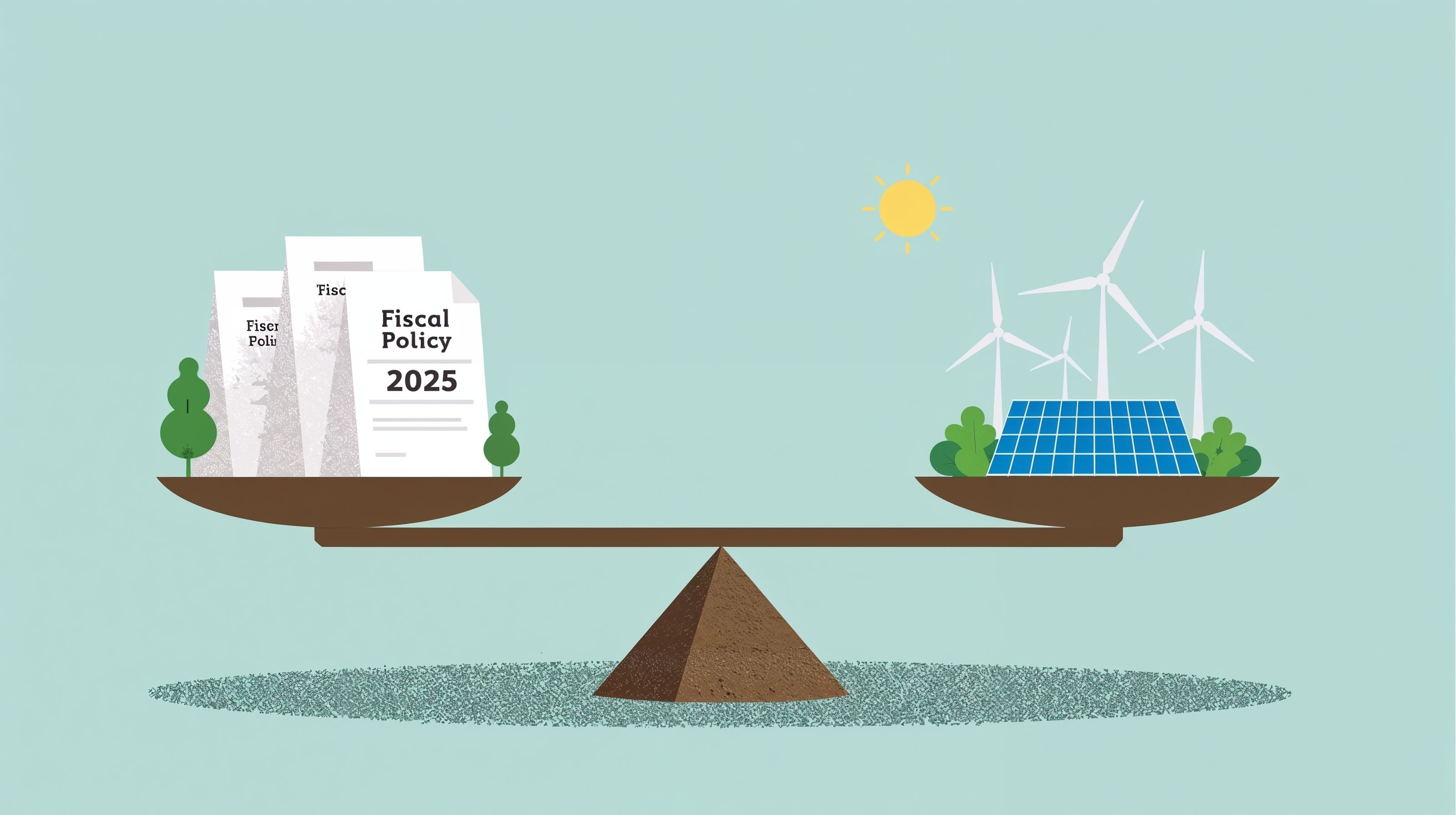
Tax Incentives and Subsidies: Driving Forces Behind Renewable Energy Growth
1. The Role of Tax Incentives in Renewable Energy Expansion
Tax incentives have been pivotal in accelerating the adoption of renewable energy technologies. By reducing the financial burden on developers and investors, these incentives make projects more viable and attractive. For instance, the Investment Tax Credit (ITC) and Production Tax Credit (PTC) have been instrumental in promoting solar and wind energy projects across the United States.2. Recent Legislative Changes and Their Implications
In recent years, legislative changes have significantly impacted the renewable energy sector. The Inflation Reduction Act (IRA) of 2022, for example, extended and expanded tax credits for renewable energy projects, providing a stable policy environment that encouraged long-term investments.However, the political landscape is ever-changing. In 2025, proposed legislation such as the "One Big Beautiful Bill Act" under President Trump's administration aims to eliminate certain tax credits, including the 45X tax credit for domestic extraction and processing of critical minerals. This potential rollback has raised concerns about the future competitiveness of U.S. renewable energy projects.
3. Investor Sentiment Amid Policy Shifts
Despite potential policy changes, investor confidence in the renewable energy sector remains strong. Long-term investors recognize the growing demand for clean energy, driven by factors like increased electricity consumption from data centers and manufacturing. Technologies such as onshore wind, utility-scale solar, and battery storage are viewed as competitive, even without subsidies.4. Comparative Analysis of Global Fiscal Policies
Globally, countries are leveraging fiscal policies to promote renewable energy. For example, India's Union Budget 2025 is expected to include increased funding for green energy initiatives, addressing grid challenges, and advancing battery energy storage systems. Such measures aim to accelerate the green energy transition and serve as a model for other nations.5. Challenges and Opportunities in the Evolving Fiscal Landscape
The evolving fiscal landscape presents both challenges and opportunities for the renewable energy sector. While potential rollbacks of tax incentives could pose hurdles, the fundamental drivers of renewable energy growth—such as technological advancements and increasing demand for clean energy—remain robust. This environment encourages innovation and adaptation within the industry.6. Future Outlook: Predicting the Trajectory of Renewable Energy Investments
Looking ahead, the trajectory of renewable energy investments will likely be influenced by a combination of policy decisions, market dynamics, and technological progress. While the potential reduction of tax incentives may introduce uncertainties, the underlying momentum towards a cleaner energy future suggests continued growth in renewable energy investments.In summary, tax incentives and subsidies have been crucial in driving renewable energy growth. As the fiscal landscape evolves, the renewable energy sector must navigate these changes, leveraging opportunities and addressing challenges to sustain its upward trajectory.
Investor Sentiment Amid Shifting Fiscal Policies
The passage of the new tax bill on May 22, 2025, has been a game-changer. By accelerating the expiration of key tax credits from the 2022 Inflation Reduction Act, the bill has introduced a sense of urgency among developers. Projects now need to kick off within 60 days of the bill's enactment and wrap up by 2028 to qualify for production or investment tax credits. This compressed timeline has spurred immediate activity but also raised concerns about a potential investment slump afterward. The bill's restrictions on sourcing components from certain foreign entities, like China, further complicate the supply chain, potentially delaying manufacturing investments.
Despite these policy headwinds, many long-term investors remain optimistic about the U.S. renewable energy sector. The downturn in U.S. oil production and a surge in electricity demand—driven by AI data centers, manufacturing onshoring, and broader electrification—are creating favorable conditions for renewables. Technologies such as onshore wind, utility-scale solar, and battery storage are viewed as competitive even without subsidies. Major players like Pictet Asset Management and Climate Adaptive Infrastructure continue to invest in renewable infrastructure, citing the sector's robust growth potential.
However, the landscape isn't without its challenges. Over $14 billion in U.S. clean energy investments have been canceled or delayed this year, largely due to policy uncertainties stemming from the proposed tax bill. This has led to the loss of approximately 10,000 clean energy jobs. Notable project cancellations include Kore Power's battery factory in Arizona and Bosch’s hydrogen fuel cell investment in South Carolina. Interestingly, many of these affected projects are in Republican-led areas, highlighting the widespread impact of these policy shifts.
In the face of these challenges, some investors are exploring new growth avenues through strategic partnerships, especially with tech giants seeking green energy solutions for their data centers. The evolving policy environment is also seen as a market consolidation opportunity, favoring well-capitalized players who can navigate the complexities.
In summary, while recent fiscal policy changes have introduced uncertainties, the fundamental drivers of renewable energy demand remain strong. Investors are adapting by seeking strategic partnerships and focusing on technologies that can thrive even in a shifting policy landscape.
Comparative Analysis of Global Fiscal Policies Promoting Renewable Energy
1. United States: Balancing Incentives and Policy Shifts
The U.S. has been a significant proponent of renewable energy, especially with the introduction of the Inflation Reduction Act (IRA) in 2022. This landmark legislation allocated approximately $394 billion over a decade to support clean energy initiatives, including tax credits for renewable electricity, electric vehicles, and energy-efficient home upgrades. However, recent legislative changes under the Trump administration have introduced uncertainties. The new tax bill passed in May 2025 accelerates the expiration of key tax credits from the IRA, requiring projects to commence construction within 60 days of enactment and complete by 2028 to qualify. This shift has prompted immediate activity but raises concerns about a potential decline in investment thereafter, which could lead to higher electricity costs as clean energy often undercuts fossil fuels in price.2. European Union: Striving for Industrial Competitiveness
Across the Atlantic, the European Union has been proactive in integrating renewable energy into its economic framework. The Clean Industrial Deal (CID), unveiled in February 2025, aims to bolster competitiveness amidst high energy prices and the climate crisis. The CID sets ambitious targets, such as adding 100 GW of renewable capacity annually until 2030 and achieving a 32% electrification rate. It also emphasizes clean product demand through public procurement frameworks and funding via state aid, the EU Innovation Fund, and a new Industrial Decarbonisation Bank. However, internal debates persist, particularly regarding state aid rules for clean tech production. Some EU officials advocate for relaxed regulations to support industries like solar panels and wind turbines, while others caution that such subsidies could undermine competition and violate EU laws.3. United Kingdom: Establishing State-Owned Renewable Ventures
The UK has taken a distinctive approach by establishing Great British Energy (GBE), a government-owned renewable energy investment body. Formed in May 2025, GBE is tasked with investing in renewable energy projects and aims to generate 8 GW of renewable power by 2030. Headquartered in Aberdeen, Scotland, GBE plans to fund its initiatives partly through additional taxation of the fossil fuel industry. This move reflects the UK's commitment to a state-led strategy in accelerating the transition to clean energy.4. Malaysia: Incentivizing Private Sector Participation
In Southeast Asia, Malaysia has been intensifying its focus on renewable energy, particularly biomass, under its Fuel Diversification Policy. The government offers fiscal incentives like investment tax allowances and the Small Renewable Energy Programme (SREP), which encourages small renewable power generation plants to connect to the national grid. Despite being a major producer of solar panels globally, Malaysia is working to fully capitalize on this for domestic electricity generation, aiming to attract substantial investment in the renewable sector.5. Mexico: Integrating Storage Solutions
Mexico has set ambitious renewable energy targets, including a requirement that new solar and wind facilities incorporate 30% battery storage, equivalent to three hours of power production. This mandate, introduced in 2025, aims to enhance grid stability and ensure a reliable power supply as the country increases its reliance on intermittent renewable sources.6. Global Trends: The Surge of Green Bonds
On a global scale, the market for sustainable bonds, particularly green bonds, is experiencing significant growth. Forecasts indicate that green bond issuance is expected to reach $700 billion in 2025 and $850 billion in 2026. This trend underscores a robust commitment from both public and private sectors to finance the green energy transition through innovative fiscal instruments.In summary, while the fiscal policies promoting renewable energy vary across countries, a common thread is the strategic use of financial incentives to drive investment and innovation in the sector. These approaches reflect each nation's unique economic priorities and environmental commitments, collectively contributing to a global shift towards sustainable energy solutions.
Challenges and Opportunities in the Evolving Fiscal Landscape
One immediate challenge is the potential rollback of clean energy tax credits established under the 2022 Inflation Reduction Act (IRA). The House's version of the new tax bill accelerates the expiration of these credits, requiring projects to commence construction within 60 days of enactment and complete by 2028 to qualify. This compressed timeline could disrupt ongoing and planned renewable projects, leading to a potential slowdown in investment and development. For instance, the Solar Energy Industries Association projects a decline in U.S. solar capacity additions from 48.6 GW in 2025 to 43.5 GW by 2030, attributing this to shifting federal policies favoring fossil fuels and the imposition of tariffs on materials like steel and aluminum.
Another hurdle is the proposed elimination of the 45X tax credit, which offers a 10% corporate tax reduction for domestic extraction and processing of critical minerals essential for renewable technologies. Without this incentive, U.S. competitiveness in the critical minerals market could wane, potentially leading to job losses and mineral shortages.
However, it's not all stormy seas. Despite these policy shifts, long-term investors remain optimistic about the U.S. renewable energy sector. Factors like the downturn in U.S. oil production and increased electricity demand—driven by AI data centers, manufacturing onshoring, and broader electrification—are seen as favorable conditions for renewables. Technologies like onshore wind, utility-scale solar, and battery storage are expected to remain competitive, even without subsidies. Leading investors continue to pour funds into renewable infrastructure, citing the sector's long-term growth potential.
Moreover, the evolving policy environment may present opportunities for market consolidation, favoring well-capitalized players who can navigate the changing fiscal landscape. Strategic partnerships, especially with tech companies seeking green energy solutions, could open new avenues for growth.
In essence, while the fiscal winds are shifting, the renewable energy sector's resilience and adaptability suggest that, with strategic navigation, it can continue to chart a course toward sustainable growth.
Future Outlook: Predicting the Trajectory of Renewable Energy Investments
1. Shifting Policy Winds
Recent legislative changes have introduced a mix of challenges and opportunities. The House's passage of a tax bill on May 22, 2025, aims to accelerate the expiration of key tax credits from the 2022 Inflation Reduction Act. This move could potentially slow down clean energy growth and lead to higher electricity costs. However, the bill is currently under Senate review, where modifications are possible due to broader state-level support for clean energy projects.2. Investor Confidence Amid Uncertainty
Despite policy shifts, long-term investors remain optimistic about the U.S. renewable energy sector. The downturn in U.S. oil production and increased electricity demand—driven by artificial intelligence data centers, manufacturing onshoring, and broader electrification—are seen as favorable conditions for renewables. Technologies like onshore wind, utility-scale solar, and battery storage are expected to remain competitive even without subsidies.3. Global Investment Surge
On the global stage, renewable energy investments are reaching unprecedented levels. The International Energy Agency (IEA) projects that global energy investment will hit a record $3.3 trillion in 2025, with $2.2 trillion allocated to renewables, nuclear, and energy storage. Solar energy is expected to lead with $450 billion, and battery storage investment will rise to about $66 billion, addressing the intermittency of renewable power sources.4. Technological Innovations
Advancements in technology are set to revolutionize the renewable energy sector. Wind turbines are becoming larger and more efficient, with offshore wind projects deploying next-generation 15–20 MW turbines. Solar panel technology is progressing beyond traditional silicon cells to include perovskite and tandem cell designs, promising higher efficiencies and lower production costs. Energy storage solutions, such as long-duration batteries and green hydrogen, are emerging to address the intermittency of renewable power sources.5. Infrastructure and Grid Challenges
However, the rapid expansion of renewable energy capacity has outpaced investment in grid infrastructure. Aging power lines and insufficient upgrades have contributed to system vulnerabilities, exemplified by a major blackout in the Iberian Peninsula in April 2025. The growing share of renewables requires new technologies like synchronous condensers and batteries to stabilize the grid, yet these are underfunded.6. The Road Ahead
Looking forward, the trajectory of renewable energy investments will likely be influenced by a combination of policy decisions, technological advancements, and market dynamics. While challenges exist, the strong fundamentals and accelerating energy needs position renewables for sustained growth. Investors and stakeholders will need to navigate this evolving landscape with agility and foresight to capitalize on emerging opportunities.In summary, while the renewable energy sector faces a complex array of factors in 2025, the overall outlook remains positive. Strategic investments, supportive policies, and technological innovations will be key drivers in shaping a sustainable and resilient energy future.
Comments
Post a Comment